The 4th Seminar of the academic journal Eunomia brought together researchers, local government officials, and experts.
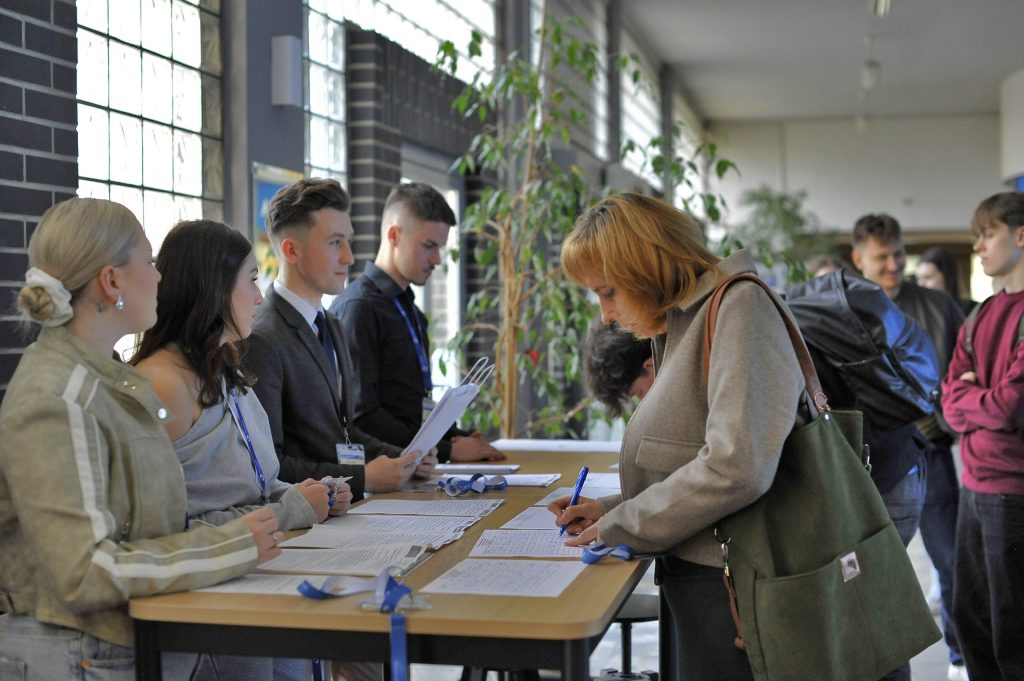
The 4th Seminar of the academic journal Eunomia was held at the Academy of Applied Sciences in Racibórz under the theme “Civil Society in Democracy – Assessment, Prospects, Dilemmas.” The event brought together representatives from the academic and local government communities, as well as experts dealing with issues of civil society, security, education, and energy transition.
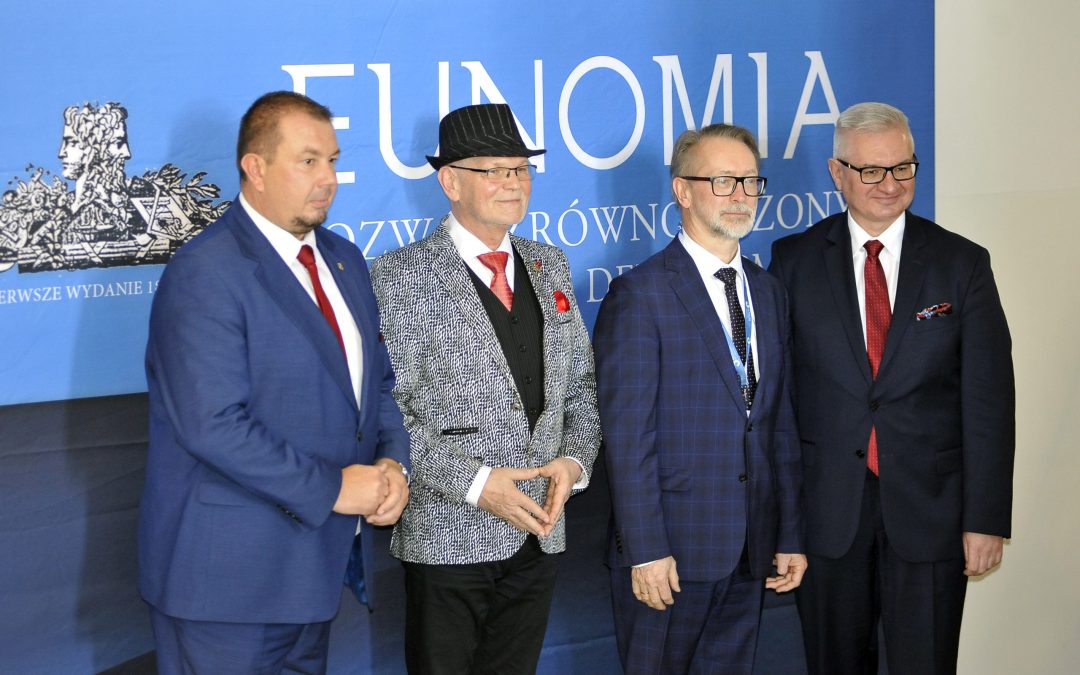
The seminar took place on March 13, 2026, at the university’s campus on Akademicka Street in Racibórz. The event was held under the honorary patronage of Prof. Jerzy Buzek, former Prime Minister of Poland and President of the European Parliament, who participated in the seminar via video conference. Grzegorz Swoboda, the Racibórz County Administrator, also attended the event. Member of the European Parliament Łukasz Kohut also served as a patron of the meeting.
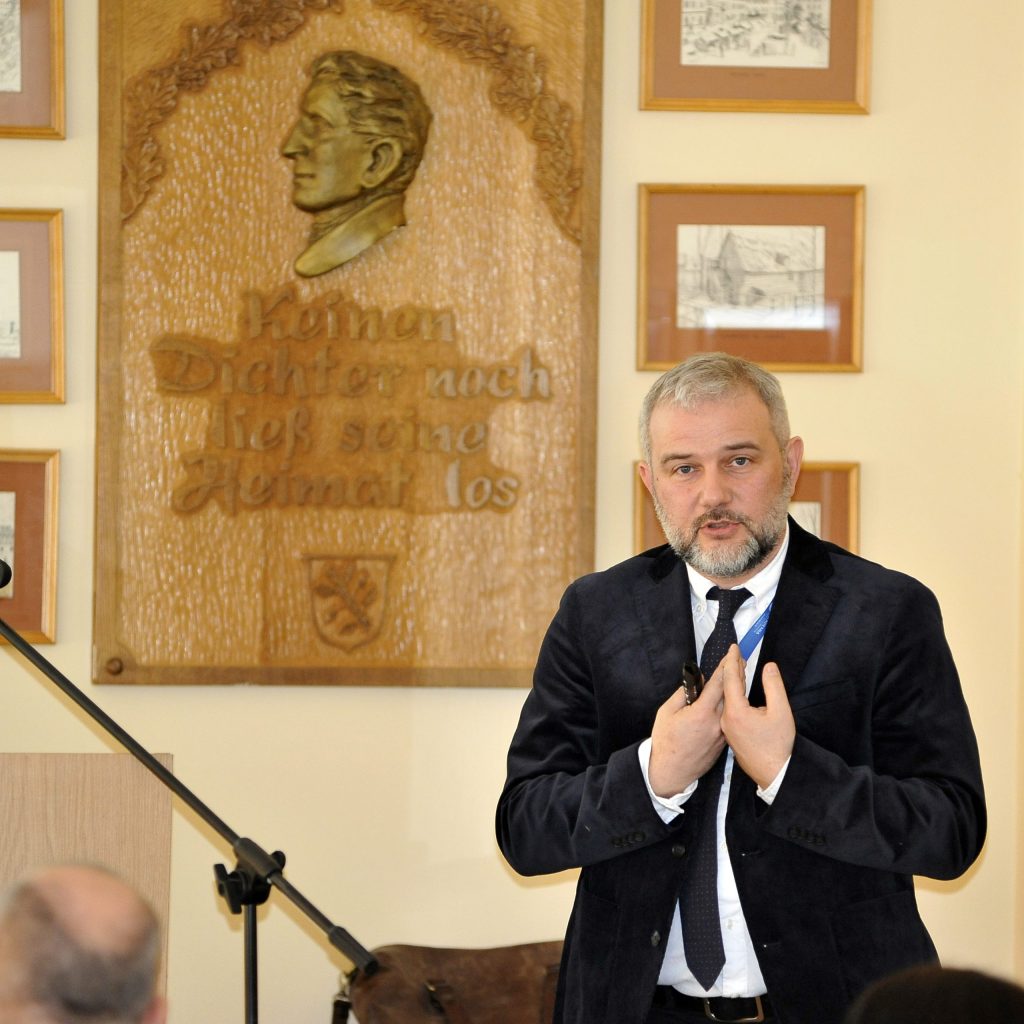
Dr. Henryk Kretek welcomed the seminar participants and officially opened the proceedings. This was followed by panel sessions featuring researchers and practitioners representing various academic institutions and public agencies.
The seminar program included four concurrent thematic panels. The first panel discussed the role of nongovernmental organizations in building civil society, with a particular focus on social responsibility, local government activities, and initiatives benefiting local communities.
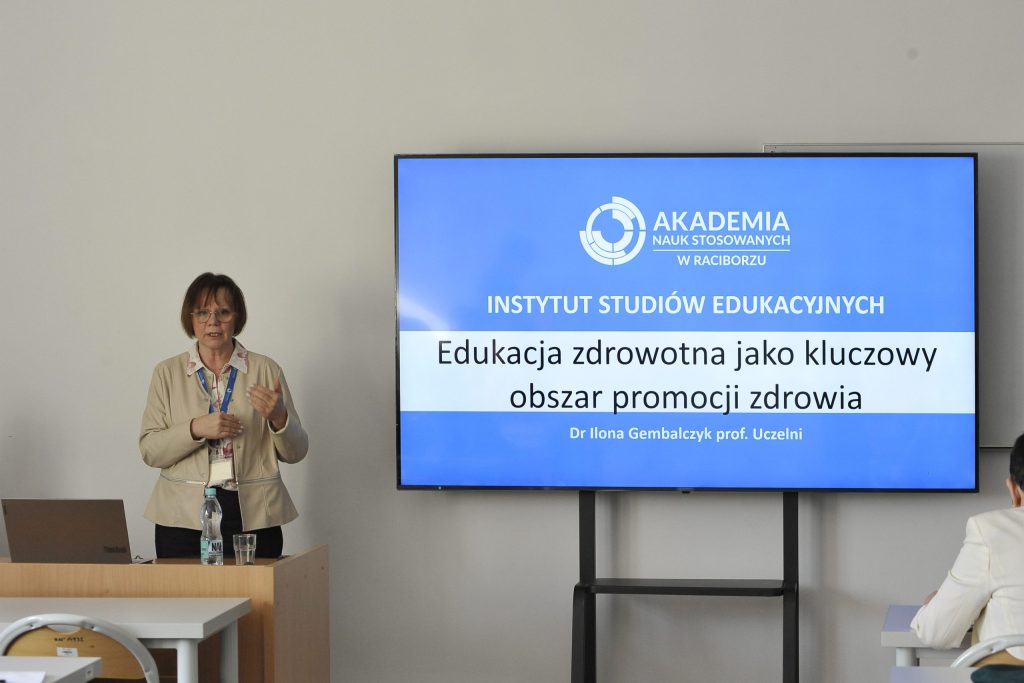
The second panel focused on education and its role in shaping active citizenship and promoting health. The speakers addressed topics such as health education, the role of universities in the local community, and collaboration between the academic community and research centers, universities, and social organizations.
The third panel addressed the topic of law, national security, and the functioning of public institutions. Presentations covered, among other things, crisis management, aviation safety, the history of the region, and the public perception of historical events.
The fourth panel focused on issues related to energy transition, organizational management, and business resilience in the face of rapid economic and technological change. In addition, research on innovative approaches to developing strategies for higher education institutions was presented.
Following the panel sessions, the plenary part of the seminar began, opened by Dr. Paweł Strózik, professor at the university and Rector of the Academy of Applied Sciences in Racibórz.
During this segment, Krzysztof Burek, Chairman of the University Council at the ANS in Racibórz, delivered a presentation titled Horyzont 2026: Strategie odporności dla polskiego biznesu (In English Horizon 2026: Resilience Strategies for Polish Business), in which he noted that contemporary Polish enterprises are operating amid a growing “multi-crisis.” This phenomenon necessitates a reevaluation of existing business models, particularly in the context of the energy transition, growing ESG requirements, and access to financing.
The speaker emphasized that investments in energy independence, digitalization, and cybersecurity, as well as the reorganization of supply chains towards closer markets and the effective use of public funds and EU funds, are becoming crucial for maintaining business competitiveness.
During the plenary part, the moderators of the individual panels summarized their sessions, highlighting the key themes that should serve as inspiration for further research and analysis. This part of the seminar concluded with the presentation of awards, certificates, and honors to the event’s participants.
An additional feature of the event was the opening of an exhibition of works by Dr. Karolina Stanieczek titled Dziwny jest ten świat (In English What a Strange World).
The seminar was organized by: the Institute of Social Studies at the Academy of Applied Sciences in Racibórz, the editorial board of the academic journal Eunomia-Rozwój Zrównoważony-Sustainable Development, the Department of Applied Social Sciences in Zabrze, Faculty of Organization and Management in the Silesian University of Technology, and the Silesian Center for Business Ethics and Sustainable Development.
The meeting served as an important forum for the exchange of experiences among academic, local government and civil society circles, as well as an opportunity to reflect on the contemporary challenges facing democracy and civil society. The organizers announced that the initiative would continue in the coming years.