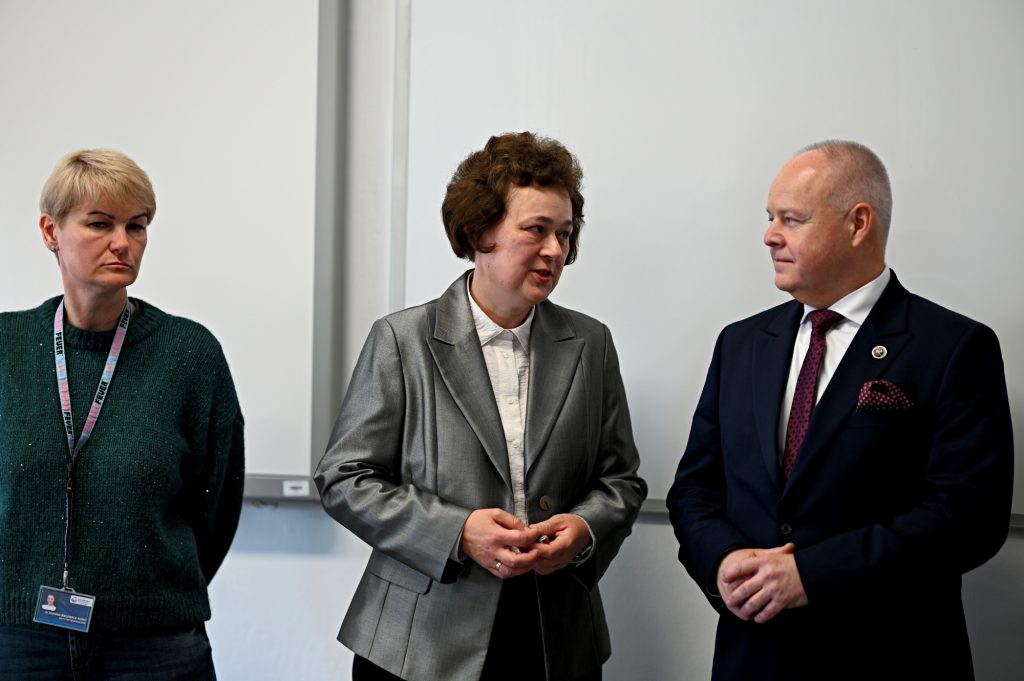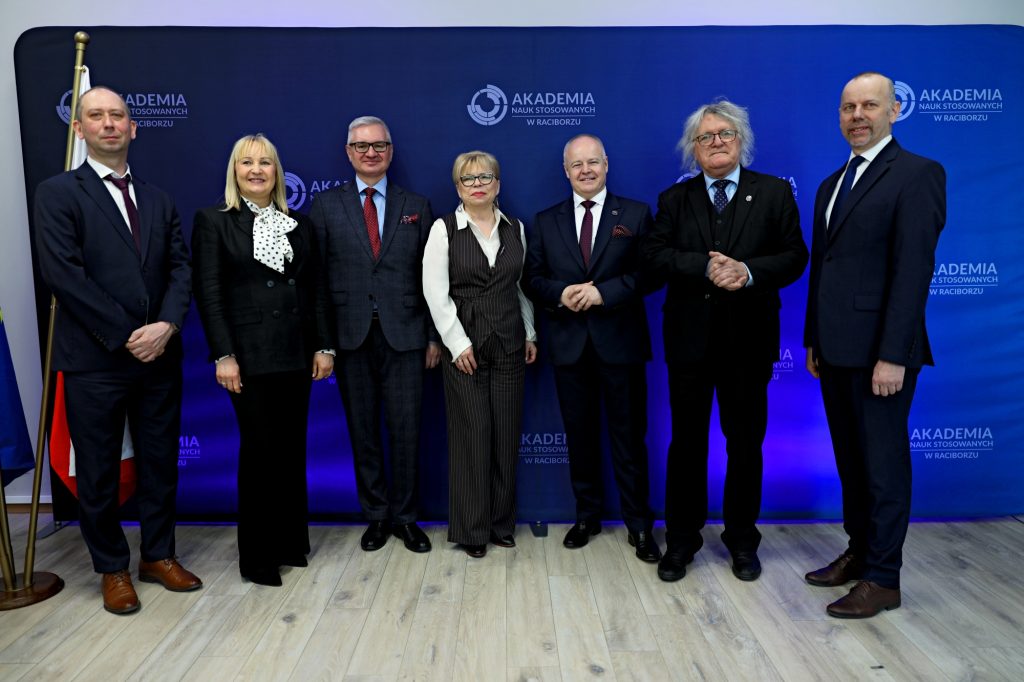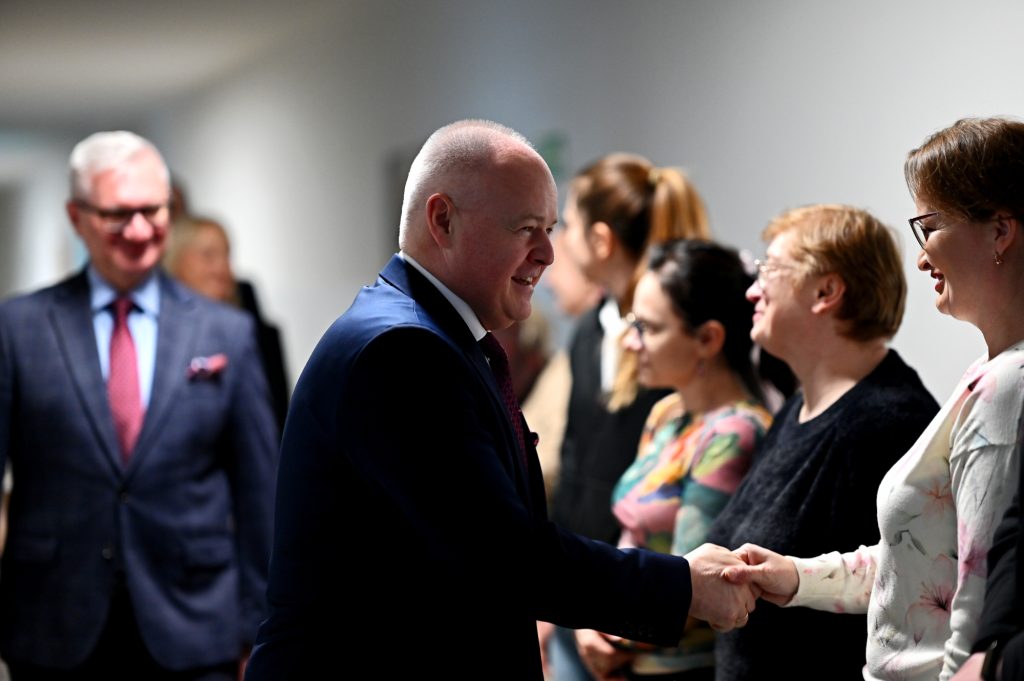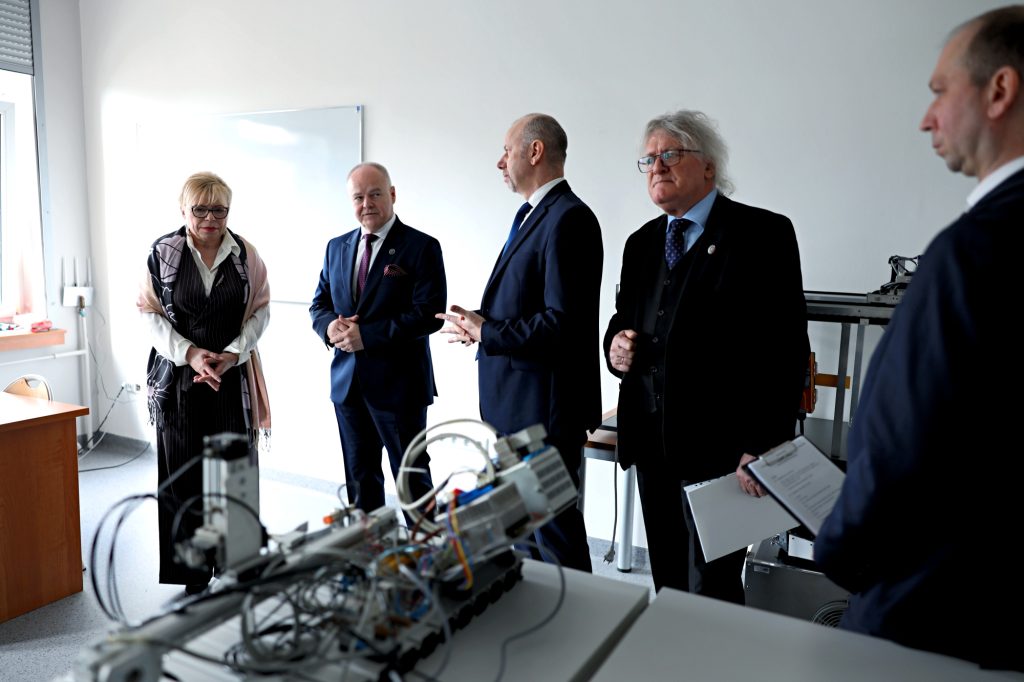
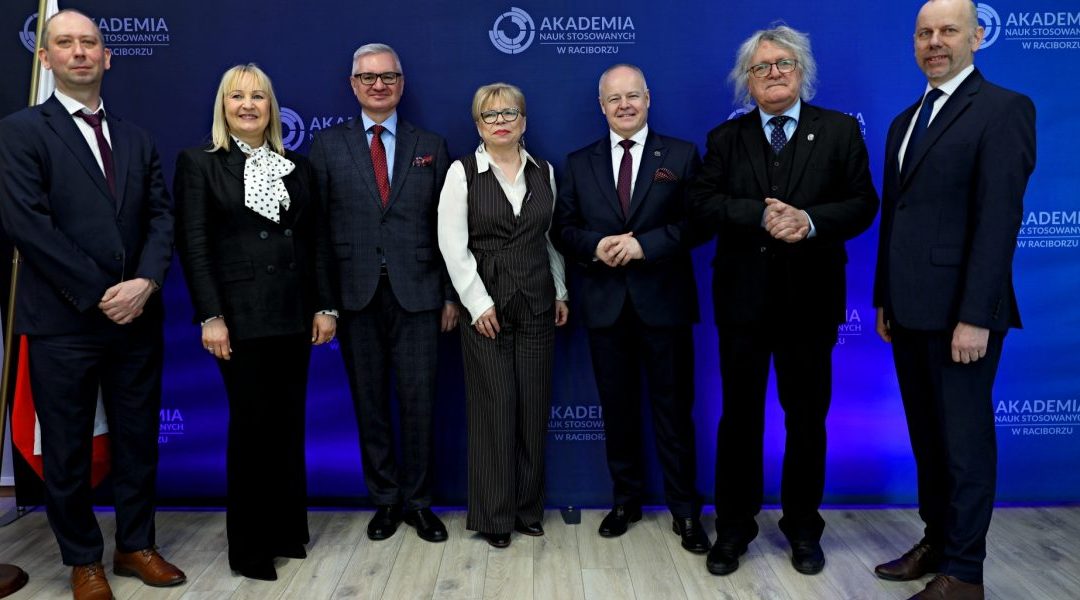
Friday, 20 March 2026, the University of Applied Sciences in Racibórz was visited by the State Secretary at the Ministry of Science and Higher Education Prof. Dr. Hab. Eng. Marek Gzik. The visit took place on the initiative of a Member of the Polish Parliament Gabriela Lenartowicz, with the assistance of a Polish Senator Henryk Siedlaczek and its aim was to familiarise the minister with the functioning of the university and its development plans.
The following people took part in the discussions: Deputy Minister Marek Gzik, MP Gabriela Lenartowicz, Senator Henryk Siedlaczek and university authorities – Rector PhD Paweł Struzik, University Professor, Vice-rector for Administrative Affairs PhD Tomasz Czyszpak, Vice-rector regarding Student Affairs PhD Beata Fedyn and Administrative Director Jacek Pierzga. During the discussion part, key information about the academy’s work was presented, its academic offer and its role in the educational system in the region.
The Academy’s Infrastructure
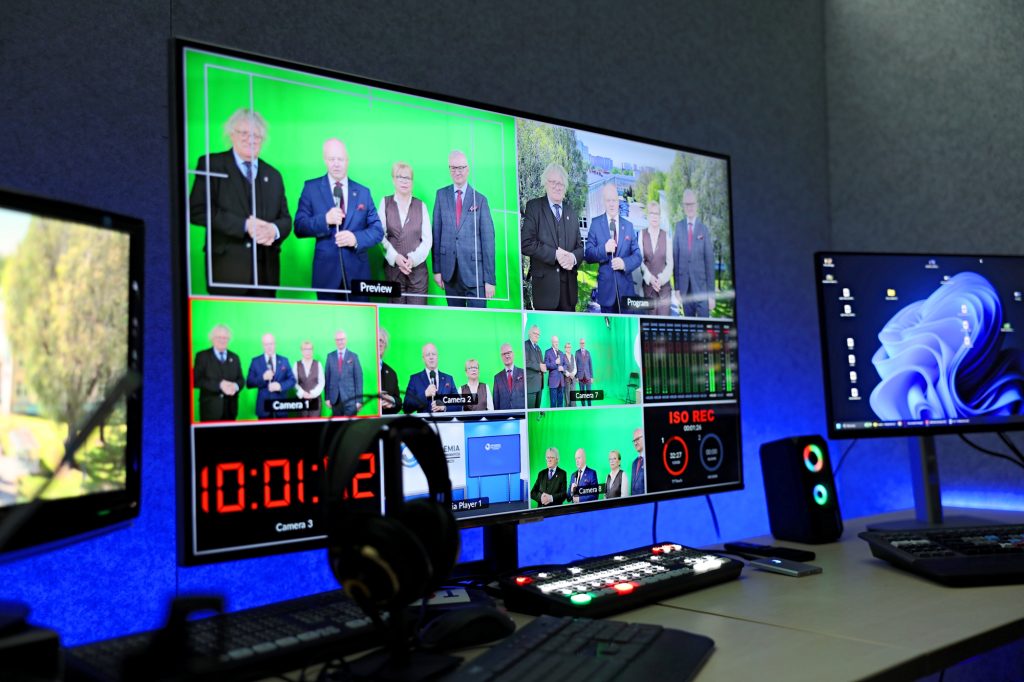
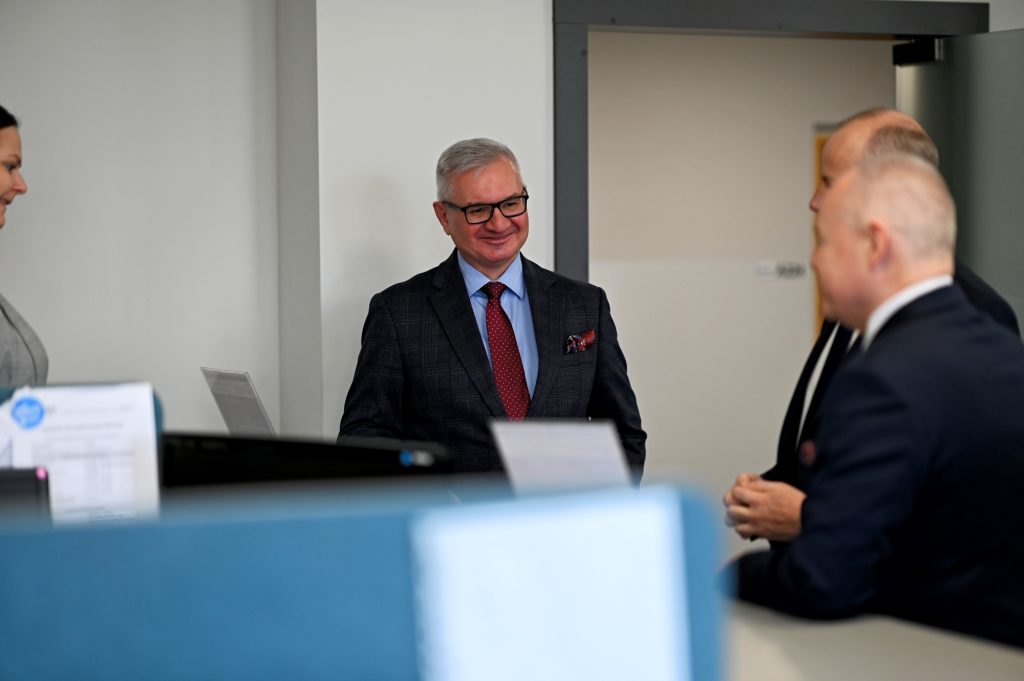
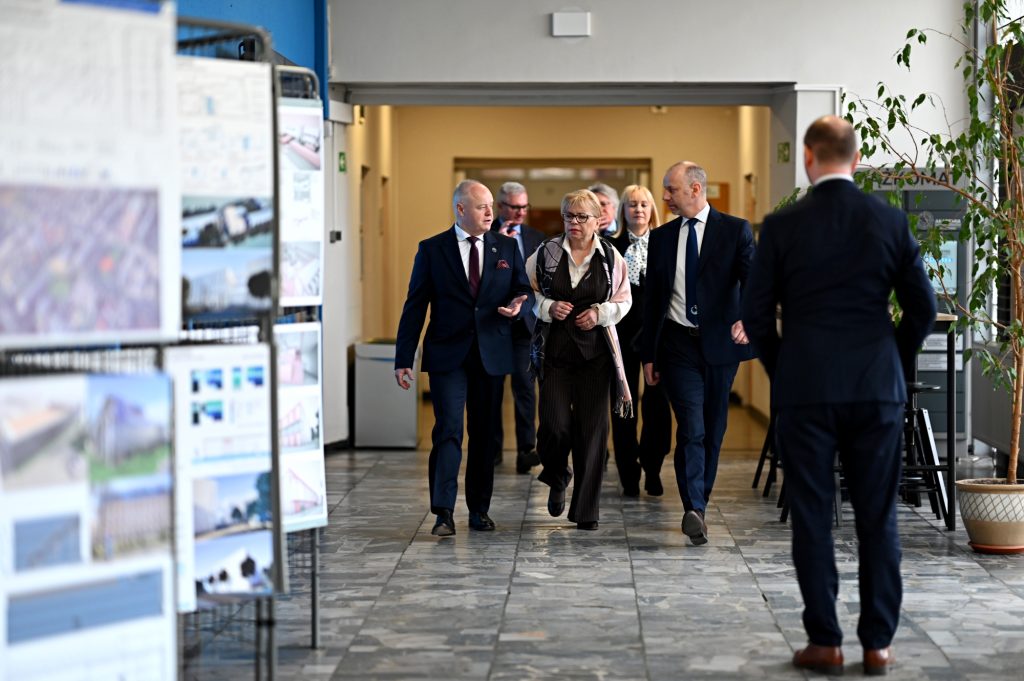
The next stage of the visit was a presentation of the academy’s infrastructure. The Minister saw selected classrooms. Later, the guests went to the Student Services Department and Digitization Department which supports the education process and archaization of didactic material.
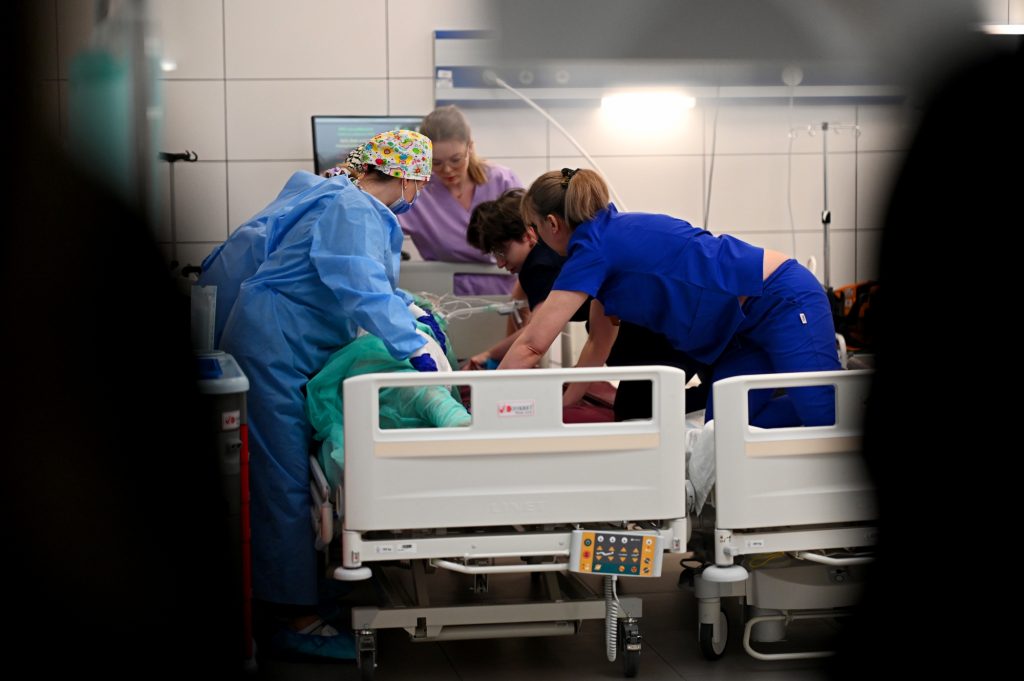
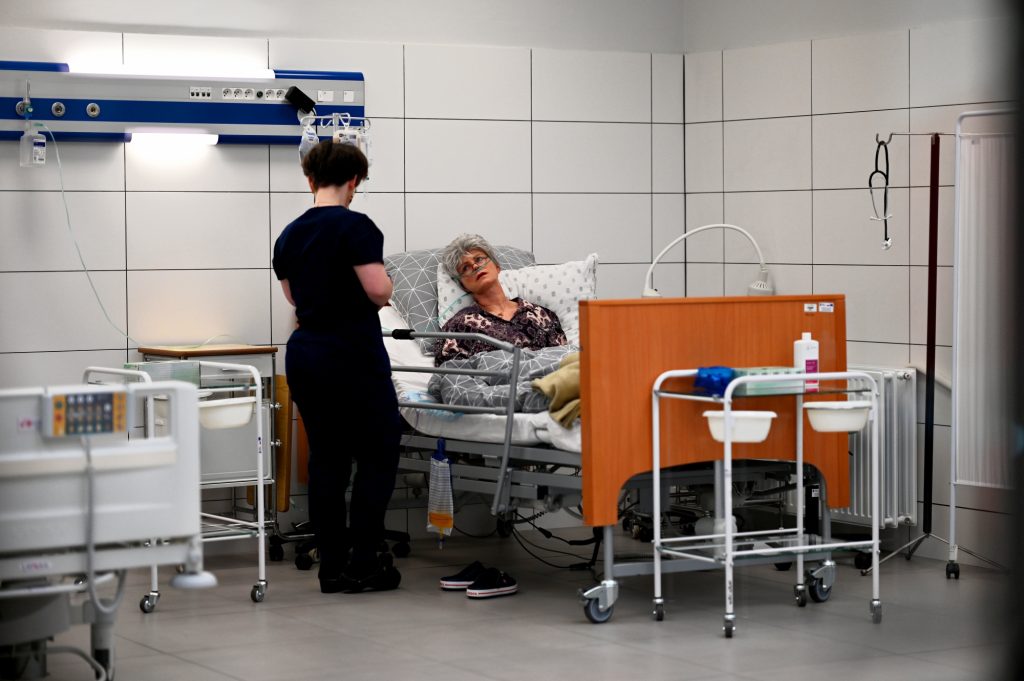
During the program there was also a visit to Sports and Education Centre and Specialist Medical Simulation Centre were some of the most important elements of vocational training for nursing students was presented – faithfully reproduced rooms, nursing practice rooms and facilities for learning emergency procedures.
Investment plans
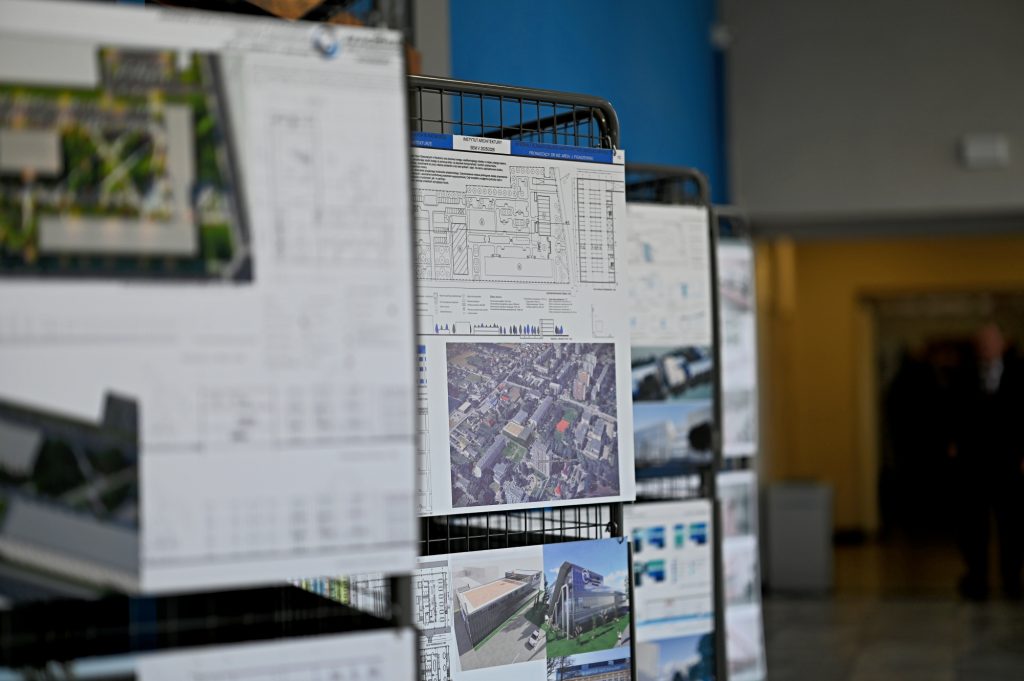
An important part of the meeting was a presentation of the university’s investment plans. The academy’s management presented expansion plans for didactic infrastructure, with particular emphasis on building a new facility with a multi-purpose auditorium, which will replace the old indoor swimming pool. The investment aims to complement existing teaching facilities and allow organization of bigger academic and educational events.
These activities are being carried out in parallel with adapting classrooms to fire safety requirements, modernization, and the gradual reorganization of the campus.
Constant development
The visit ended with a press conference with the participation of the Minister, members of parliament, and academy management. During the conference a summary of the visit was provided, and the key areas of discussion were indicated such as; development of teaching infrastructure, safety of the facility and further functioning and role of the university in meeting the region’s needs. It was underscored that the meeting was of a substantive nature, and its purpose was to present the potential of the academy and its current challenges.
The visit was an opportunity to present the academy in its practical aspect – showing how it works on a day-to-day basis, teaching facilities and directions in which further development is planned.